I was sitting in a Hobart pub on a damp Tuesday arvo, watching a mate chase a losing hand, when the question landed: why casinos always win? It’s the kind of thing punters mutter after a bad session, half-joking, half-cursing the cards. The truth sits somewhere between cold maths and the way a lobby is built to keep you playing longer than you planned. I asked Clancy Bennett-Kellam, who has spent years running customer-support and community operations across iGaming, betting and Web3, including AI-assisted service tools and multilingual knowledge resources, to walk me through it without the usual spin.
The maths that never clocks off

House edge is just a way of saying every bet carries a built-in tilt, and that tilt compounds quietly over time. I reckon most players picture a rigged table; Clancy describes something far more ordinary. «You’re not fighting a person, you’re fighting a percentage,» he told me, leaning back in his chair as the rain hit the window behind us. On a standard roulette wheel, the zero – or the double zero down the track – shifts the odds just enough that, over thousands of spins, the numbers drift toward the operator. That’s why casinos always win in the long run, even when a punter walks out ahead on a good night. The trick isn’t magic; it’s volume, and the way a venue structures its games so the edge never disappears between sessions.
- The edge lives in the rules, not in a dealer’s sleeve. jackpot jill vip
- Short sessions can still go either way, which is why the stories stick.
- Longer play time usually means the maths has more chances to settle.
How Jackpot Jill VIP shapes the experience
Jackpot Jill VIP positions itself as a straightforward online room for players who want a clean interface and a modest, honest bonus structure rather than a wall of flashing promises. The core offer leans on well-known providers, a couple of recurring reload promos, and a loyalty setup that actually rewards regular logins instead of chasing one-off whales. I asked Clancy how the support side fits in, and he nodded toward the multilingual knowledge base his team has helped build. «When a player in regional Tasmania can’t find a clear answer about wagering at two in the morning, that’s where the whole operation earns its keep,» he said. That kind of everyday usability matters more than a flashy welcome gift, especially when you’re trying to keep things simple across currencies and time zones. You can see the shape of that approach at jackpot jill vip, where the focus stays on a tidy lobby and support that doesn’t vanish when the arvo turns into evening.
Walking through a real session from sign-up to spin
A player usually lands on the site, punches in an email, and gets hit with a welcome offer that sounds generous until you read the wagering attached to it. Clancy warns that the first mistake is treating a bonus like extra cash in your pocket; it’s more like a timed constraint wrapped in a nicer-looking package. «Read the contribution table before you celebrate,» he said, because slots might count fully while table games chip away at the requirement. Once you’re in, the flow is familiar: pick a game, set a stake, and watch the session clock tick. If you’re playing on mobile, the same lobby should load without turning into a slideshow, and the payment options ought to match the currency you actually use instead of bouncing you through conversions you didn’t ask for. The whole walkthrough is less about chasing a big hit and more about knowing when the terms are nudging you to keep playing past your own limit.
Hobart on the ground and what it means for punters
Out here in Hobart, the local angle is less about neon and more about ordinary people fitting a session around work, family, and a wet weekend that keeps everyone indoors. Clancy pointed out that community operations in iGaming have to handle the same reality: people aren’t always sitting at a desk, they’re checking a phone between shifts or during a quiet spell at the pub. That’s where AI-assisted service tools and multilingual knowledge resources start earning their keep, because a question about a withdrawal or a verification step shouldn’t depend on whoever happens to be on shift in another timezone. He was blunt about one thing, though: none of this makes offshore play licensed or regulated in Australia, and no amount of smooth support changes the fact that the house edge is still doing its job. «Good service is about clarity, not about selling the dream that the edge goes away,» he said, which is a judgement call worth keeping in mind before you chase the next spin.
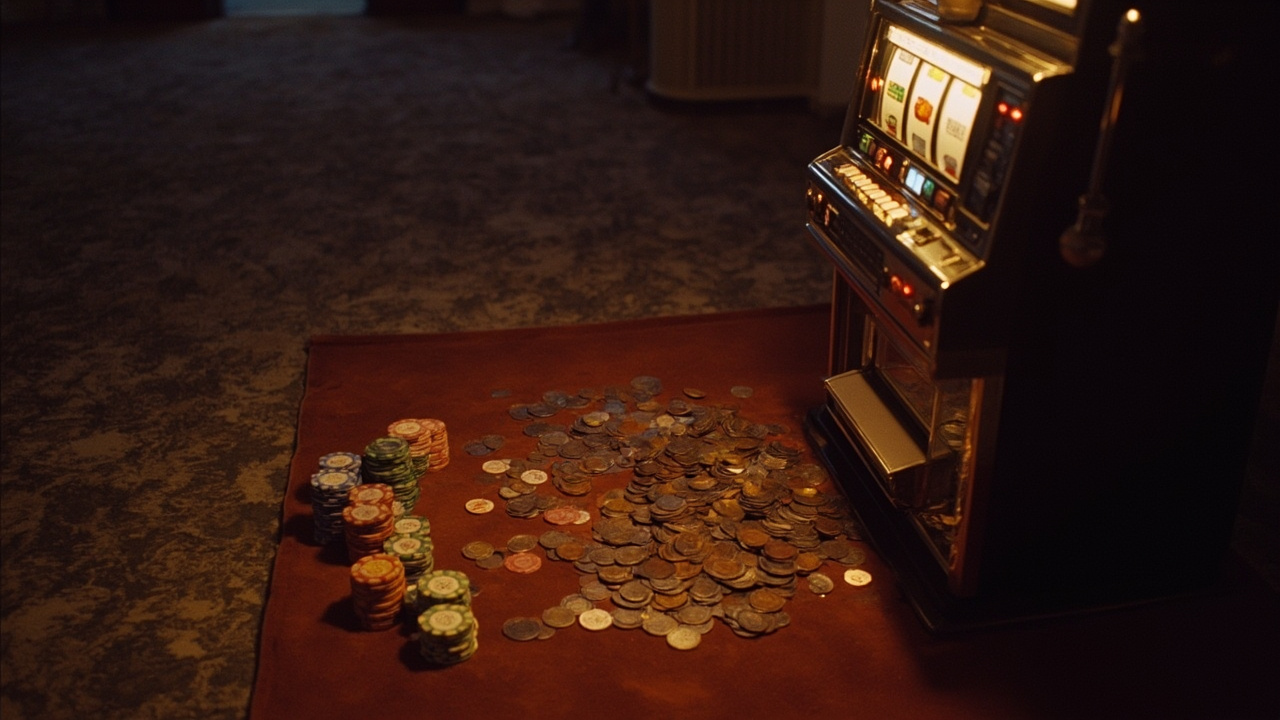
The short version is that the maths doesn’t care how confident you feel after a winning streak, and no lobby is built to erase that reality. Clancy’s take, drawn from years of watching players and support queues, is that the smartest move is treating the edge as a fact you plan around rather than a problem you solve. If you’re going to play, keep the session short, read the terms before you tap yes, and don’t mistake a friendly interface for a fairer set of odds. That’s the honest shape of it, and it’s the same shape on a wet Hobart night as it is anywhere else.

Top rated
-
 Cell phones
$250.00
-
sheath cell phone Samsung A20/ A30/ A50
$8.16
-
sheath cell phone Samsung A20s
$1.00
-
Samsung Bluetooth Headphones
$1.00
-
Xiaomi headphones
$10.00
Products
-
Cell phones
$250.00
-
Anker PowerCore portable charger
$39.99 – $55.99
-
Xiaomi headphones
$10.00
-
sheath cell phone Samsung A20/ A30/ A50
$8.16

