Craps house edge explained for Australian punters
Craps house edge explained without the smoke and mirrors
If you’ve ever watched a table and wondered why the dice seem to favour the house so consistently, craps house edge explained starts with the math, not the hype. I’ve spent years auditing search visibility and brand reputation for integrated media clients, and the same discipline applies here: strip the noise, check the actual figures, and stop trusting glossy promises. The good news is the numbers don’t lie, and once you see the real spread across bets, you can play smarter instead of chasing ghosts. No worries, we’ll keep it practical and skip the fluff.
Which bets actually carry the lowest cost
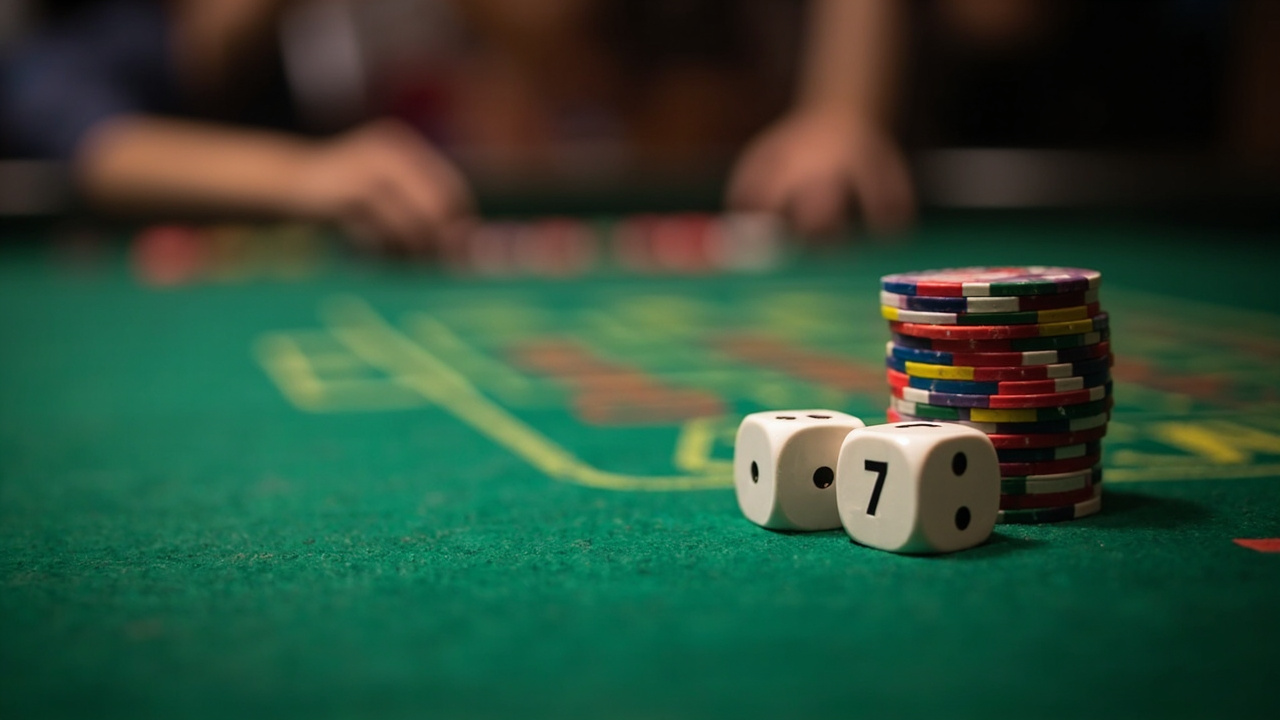
When you walk up to a craps layout, the pass line and come bets sit around 1.41 per cent, while the don’t pass and don’t come edges hover near 1.36 per cent once you factor in the bar bet rules. Those figures are the baseline, and anything that drifts toward the field or proposition wagers can climb past 5 per cent before you’ve even placed a second chip. I approach these numbers the same way I audit a client’s integrated media footprint: you map the actual exposure first, then decide where the budget should sit. A table that pushes you toward high-edge side bets is doing the exact opposite of what a transparent operator should do, and you’ll notice it immediately when the payouts look generous but the underlying odds are working against you. The trick is sticking to the core bets, letting the odds wager drop the effective edge further, and treating the flashy centre bets as paid entertainment rather than a strategy. If a platform’s game selection leans heavily on slots chasing trends from mythology to pop culture, that’s fine for a quick spin, but craps demands a different kind of discipline where the house edge explained in plain terms matters more than themed graphics.
How the maths changes across tables and rules
Not every table runs the same way, and small rule tweaks shift the edge more than most punters realise. A table that pays triple on the hard ways or offers 2:1 on the field bet looks tempting until you run the actual probabilities and see the edge climb. I’ve judged plenty of operator setups by how they present odds, and the ones worth your time lay out the rule variants clearly instead of burying them behind a slick interface. When you’re scanning a browser or app on a phone, you want the bet probabilities visible without digging through three menus, and the layout should load fast enough that you’re not staring at a spinner while the crew is waiting. A mobile-first fit isn’t just about responsive design; it’s about whether the table controls, bet history, and rule notes actually work in a cramped viewport without making you pinch and zoom. If you’re playing in an arvo session and the interface feels clunky, you’ll start second-guessing your own calls, which is exactly when the house edge explained poorly will cost you more than the math ever would. Keep an eye on whether the table offers free odds, how deep the payout goes, and whether the dealer’s script matches the written rules, because those details decide whether a 1.36 per cent baseline stays there or quietly drifts upward.
What to check before you put a chip down
Before you commit, walk through the practical steps that separate a clear table from a murky one. First, open the game in your browser or app and confirm the rule sheet matches the live table, especially the bar bet handling and the odds payout depth. Second, check the bet slip or table layout for proposition wagers and field bets, then mentally tag them as high-edge distractions rather than core strategy. Third, verify the payment and currency settings so you know exactly what you’re funding with, and make sure the registration flow doesn’t hide verification steps or geo requirements. Fourth, test the navigation on a phone by placing a small practice bet and watching how quickly the table responds, because a slow interface will throw off your rhythm before the dice even roll. Fifth, note the support channel and loyalty structure so you know where to go if a session runs long or a question pops up, rather than hunting for a contact form mid-spin. Australian regulators have cracked down on illegal offshore online casinos targeting Australians, so you should treat any platform that dodges clear licensing details or pushes you toward vague payment routes as a red flag, not a shortcut. If you’re based near Hobart and you want a session that feels steady rather than rushed, pick a table that keeps the edge transparent, the mobile flow responsive, and the rule notes easy to read, then let the math do the talking instead of the marketing.
Next, verify the random number generator certification to ensure fair play across every session. If you want to see how these mechanics translate into a playable experience, explore the wanted dead or a wild demo in free edition at https://wanted-dead-or-a-wild-demo-au.com/. Finally, record the specific payout tiers for each symbol combination to avoid confusion during high-stakes rounds.

If you want a straight player-fit verdict, craps rewards the punters who respect the baseline edge, stick to pass or don’t pass with free odds, and ignore the centre-table noise. The maths is fixed, the rules vary, and the only real lever you control is which bets you take and how long you stay at a table that shows its work. Treat the house edge as a cost of play, not a puzzle to solve, and you’ll walk away with a clearer head and a bankroll that lasts longer than a flashy interface would ever let it.

Top rated
-
 Cell phones
$250.00
-
sheath cell phone Samsung A20/ A30/ A50
$8.16
-
sheath cell phone Samsung A20s
$1.00
-
Samsung Bluetooth Headphones
$1.00
-
Xiaomi headphones
$10.00
Products
-
Cell phones
$250.00
-
Anker PowerCore portable charger
$39.99 – $55.99
-
Xiaomi headphones
$10.00
-
sheath cell phone Samsung A20/ A30/ A50
$8.16

